Polished concrete is a process, not a product
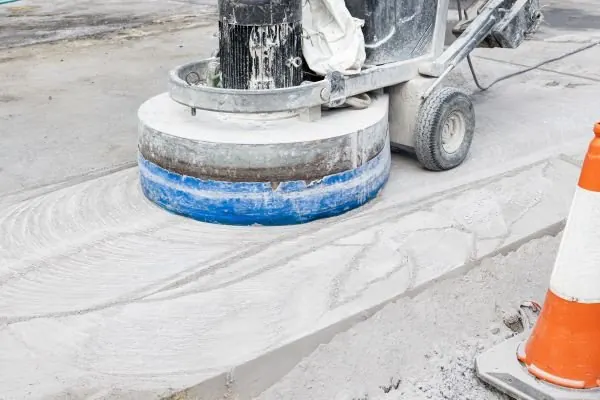
Polished concrete covers several different finishes. At one end is a light grind that removes the surface skin and is sealed with a coating. At the other is a full mechanical polish that grinds into the stone and refines it through several diamond grits until the concrete itself reflects light. In between is honed concrete, which is popular outdoors. They look, feel and wear differently, and they cost differently.
We arrange polished concrete across Sydney for living areas and kitchens, alfrescos and pool areas, shops and showrooms, cafes, offices and garages, on new slabs and existing floors.
The three common systems
Grind and seal
The floor is ground to remove the top layer, imperfections are filled and the surface is sealed with a clear coating. It is the most economical option and suits many homes and commercial floors. The coating will wear over time and need recoating, especially in traffic paths.
Honed concrete
The surface is ground to a smooth matt finish, often exposing some of the stone, then sealed with a penetrating sealer. Honed finishes are common on alfrescos and pool surrounds because they can be ground to suit wet areas.
Full mechanical polish
The slab is ground through a series of diamond tools, densified to harden the surface and refined until it reflects light. It suits interiors where the look of the concrete itself is the feature. The process is longer, so it costs more.
How much stone do you want to see?
The grind level controls how the floor looks:
- Cream finish shows little or no stone, just the fine surface.
- Salt and pepper shows fine sand and small specks of stone.
- Full exposure shows the larger stone through the floor.
The stone you see depends on what was in the mix. On a new slab, the aggregate can be chosen and the slab finished to suit polishing. On an existing slab, you get what was poured.

New slabs versus existing floors
If you are building or extending, tell the builder and the concreter early that the slab will be polished. The mix, the finishing, protection during construction and the placement of control joints all affect the final look. On existing floors, the concreter will check for cracks, patches, old adhesives and stains. These can often be ground or filled, but they may still show.
Slip resistance and safety
Australian Standard AS 4586 is used to rate slip resistance. Entries, wet areas and outdoor floors need higher ratings than dry living spaces. Ask what the finished surface achieves and how it was tested. Grinding concrete creates silica dust, and SafeWork NSW expects it to be controlled, normally with wet grinding or on-tool extraction connected to a suitable vacuum.
Pricing
Polished concrete is priced per square metre, but the system, the grind level, the condition of the slab and the edge work all matter. Small rooms with lots of edges cost more per metre than open floors. The price guide has 2026 planning bands. For new slabs, see concrete slabs, and for outdoor finishes near water, see pool surrounds.
Living with polished concrete
Day to day care is simple: sweep or vacuum grit, which acts like sandpaper underfoot, and mop with a neutral cleaner. Acidic spills such as wine, vinegar and citrus can etch some finishes, so wipe them up quickly. Felt pads on chair legs help. Grind and seal floors need recoating as the sealer wears; mechanically polished floors can be re-burnished.