Concrete work in the Hills District
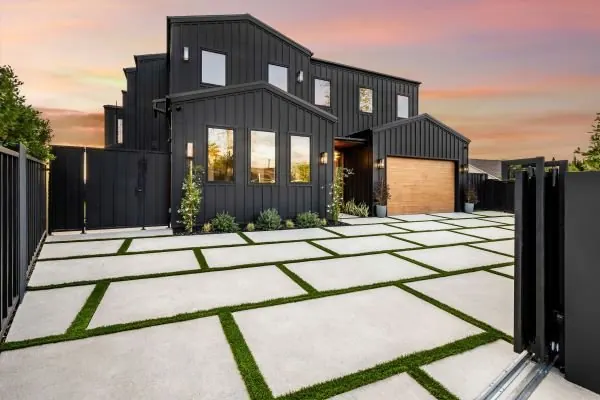
The Hills District spreads across The Hills Shire, from Baulkham Hills and Castle Hill to Bella Vista, Kellyville, Rouse Hill and Glenhaven. It mixes established 1980s and 90s brick homes on sloping blocks with newer estates on smaller, flatter lots. Driveways, slabs, retaining walls and pool surrounds make up most of the concrete work we arrange here.
Typical Hills District jobs
- Driveway replacements on established homes, where original driveways have cracked or settled.
- New driveways for knockdown-rebuilds and new estate homes.
- Shed, carport and alfresco slabs, often on sloping backyards.
- Retaining walls to level backyards on sloping blocks.
- Pool surrounds on new and renovated pools.
Ground: reactive clay
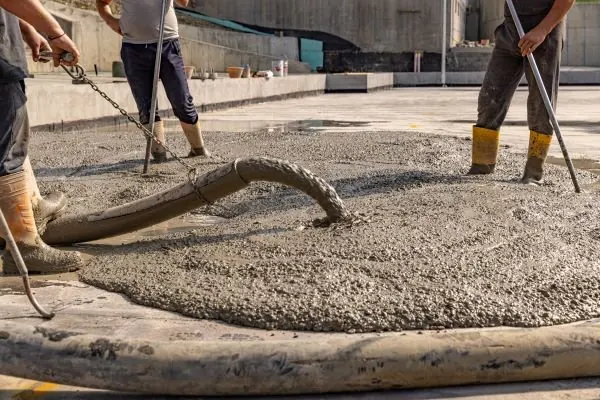
Much of the Hills District sits on clay weathered from shale. This clay is reactive: it swells after rain and shrinks in dry spells. Concrete on reactive clay needs:
- Good base preparation, with soft or wet clay removed and a compacted granular base.
- Reinforcement placed correctly within the slab.
- Joints at suitable spacing.
- Drainage that keeps water away from slab edges, because wet edges swell while the middle stays dry.
Some valleys have sandstone closer to the surface, which can mean rock breaking during excavation.
Sloping blocks
Many established Hills District homes sit on sloping blocks, with the garage at one level and the backyard at another. That means steep driveways, retaining walls and steps. Walls need drainage behind them and footings suited to the height and soil. Driveways need grip and drainage. See concrete retaining walls.
New estates
Newer estates often have smaller lots, two-storey homes close to boundaries, and driveway design guidelines. Some estates set out materials or colours for driveways in their design guidelines, and the council controls the crossover. Many new homeowners replace a basic builder's driveway with exposed aggregate or coloured concrete, so the existing slab has to come out first.
Council requirements
The Hills Shire Council controls driveway crossings and works on council land, and has requirements for crossover levels and construction. Retaining walls, structures and pools may need approval depending on size and location. Check with the council before starting. Approval information on this site is general.
Finishes
Exposed aggregate is common across the Hills for its grip and the way it hides dirt. Charcoal and earthy coloured concrete suits many newer homes. Plain broom finish remains a sensible, economical choice. Pale finishes stay cooler in summer. See our finish guide.
Getting a quote
Send photos, a rough size and mention any slope, pool or estate guidelines. A local concreter will measure and give you a written quote. Planning ranges are on our price guide. For driveway detail, see concrete driveways, and for slabs, see concrete slabs.