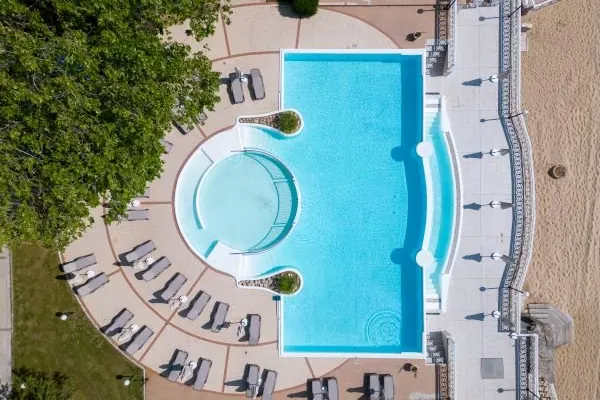
A pool surround is a wet floor
Most of the year, a pool surround is just a patio. But on a hot Sydney afternoon, it is a wet floor with bare feet running across it, and that changes what matters. Grip, heat, drainage and joints all count more than they do on a driveway.
We arrange concrete pool surrounds across Sydney for new pools, renovated pools and older surrounds where pavers have lifted or concrete has cracked and stained.
Finish options
Exposed aggregate
The surface paste is washed off soon after the pour to expose the stone. It is the standard pool surround finish in many Sydney backyards because it grips well underfoot, hides leaves and dirt, and copes with pool chemicals better than many surfaces. Light-coloured aggregate blends stay cooler.
Honed concrete
The surface is ground back to a smooth, matt finish that shows the stone in a flatter, more refined way. It looks like stone paving without the joints. For pool areas, it must be ground and sealed to achieve suitable slip resistance when wet. Ask about the rating before you choose.
Broom finish and coloured concrete
A simple broom finish is economical and grippy. Coloured concrete adds tone but darker colours get hot. Stencilled patterns can imitate paving but need careful sealing near water.
Slip resistance
Australian Standard AS 4586 classifies surfaces by slip resistance, and guidance for wet barefoot areas such as pool surrounds points to higher ratings than for dry indoor floors. A finish that is fine on a driveway may not suit the pool edge. Ask the concreter what rating the proposed finish and sealer achieve, and whether it has been tested.
Coping, joints and drainage
The surround meets the pool at the coping. An expansion joint here lets the pool shell and the surround move separately without cracking the coping. Falls take splash water away from the pool so dirt does not wash back into it, and away from the house. On larger surrounds, grated drains or pits collect water before it reaches the lawn or house.
Pool fences and levels
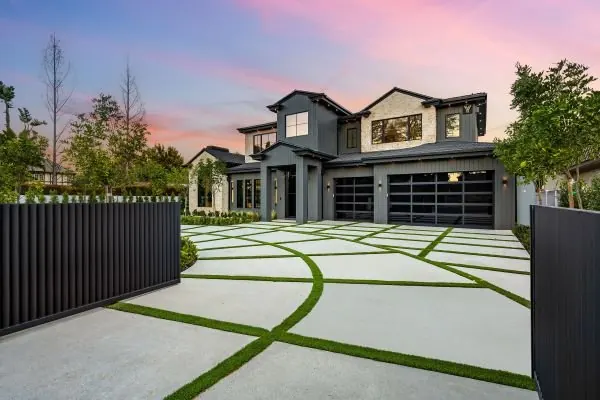
NSW pool barrier rules are strict. The Swimming Pools Act and the Australian Standard referenced by it control fence heights and what can be near the fence, including climbable objects. Raising ground levels next to a fence can reduce its effective height. Plan the surround around the fence, and have the barrier checked after the work. Your council can tell you about pool barrier inspections.
Timing around a pool build
On a new pool, the surround usually goes in after the shell, plumbing, coping and fence footings are done. Your pool builder and the concreter need to agree on levels, the coping detail and who is responsible for what. For existing pools, removing old pavers or concrete must be done without damaging the coping or the pool plumbing.
Pricing
Exposed aggregate and honed finishes cost more than plain concrete because of the extra labour and, for honed, the grinding. The price guide shows 2026 planning bands. For a broader comparison of finishes, see our finish guide, and for a smooth indoor-outdoor look, see polished concrete.
Looking after a concrete pool surround
Hose off leaves and pool chemicals regularly, keep salt and chlorine splash from building up, and reseal when water stops beading on the surface. Check joints at the coping each season and reseal any that have opened, because water getting under the surround can wash out the base. Avoid harsh acid cleaners on sealed or honed finishes.